Trump Reveals Xi Jinping Wants Hormuz Strait Reopened Amid Iran War Fears & Global Oil Crisis
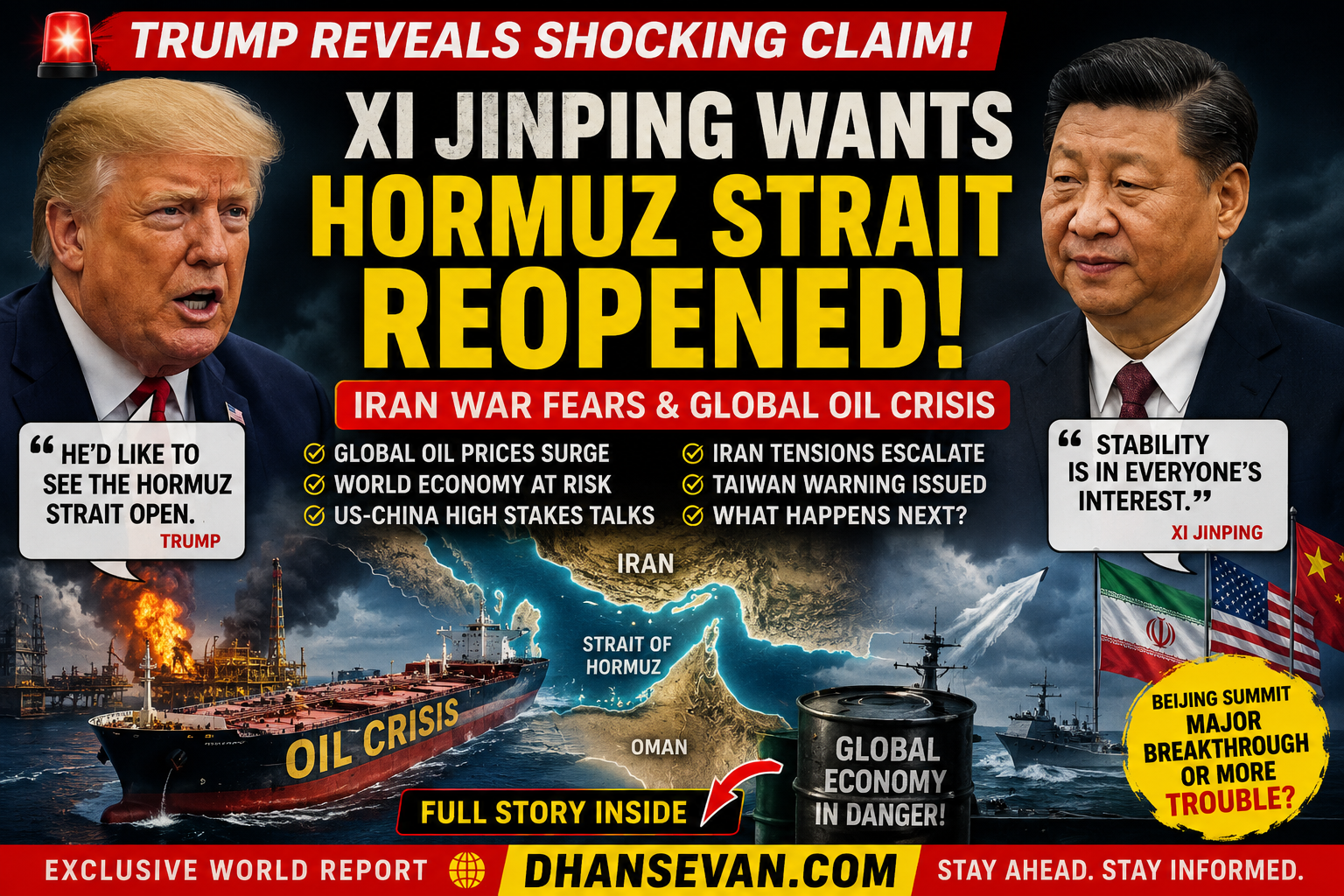
US President Donald Trump revealed that Chinese President Xi Jinping wants the Strait of Hormuz reopened as the Iran conflict continues disrupting global oil supplies and shaking world markets. The explosive Trump-Xi discussions in Beijing focused heavily on the Iran war, energy security, Taiwan tensions, and growing fears of a worldwide economic slowdown.
Uday Jasani
Gaming Expert · Dhansevan Editorial Team
Trump Says Xi Jinping Wants Hormuz Strait Reopened During High-Stakes Beijing Talks
US President Donald Trump has revealed that Chinese President Xi Jinping wants the Strait of Hormuz reopened as fears grow over a worsening global oil and economic crisis linked to the ongoing Iran conflict.
The comments came after a major Trump-Xi meeting in Beijing where the two leaders discussed rising geopolitical tensions, disruptions to global energy markets, Taiwan, and the growing risk of worldwide economic instability.
According to Trump, Xi expressed strong interest in restoring stability to one of the world’s most strategically important oil shipping routes.
“He’d like to see the Hormuz Strait open,” Trump said while speaking after the summit. “He said if I can be of any help whatsoever, I would like to help.”
The statement immediately triggered intense global attention because the Strait of Hormuz is considered one of the most critical energy chokepoints on Earth.
Why The Strait Of Hormuz Matters To The Entire World
The Strait of Hormuz is one of the most strategically important maritime routes in the global economy.
Before the Iran conflict escalated, nearly 20 percent of the world’s oil supply moved through the narrow waterway connecting the Persian Gulf to international shipping routes.
Because of ongoing tensions and military threats in the region, disruptions around Hormuz have already caused major shocks across global oil markets.
Energy analysts warn that if the route remains unstable for an extended period, countries worldwide could face:
- Higher petrol and diesel prices.
- Rising inflation.
- Increased transportation costs.
- Global supply chain disruptions.
- Economic slowdown risks.
- Financial market instability.
That is why Trump’s comments about Xi Jinping wanting the strait reopened immediately became major international news.
Iran Conflict Dominated Trump-Xi Discussions
Although trade and diplomacy were officially central themes of the summit, the worsening Iran crisis reportedly dominated much of the closed-door discussions between Trump and Xi.
The two-hour meeting in Beijing came during one of the most dangerous geopolitical moments in recent years.
US Secretary of State Marco Rubio had earlier indicated that Washington wanted Beijing to pressure Tehran toward reducing tensions and ending actions that threaten global shipping routes.
Rubio warned that prolonged instability around Hormuz could damage economies worldwide, including China’s export-dependent economy.
China holds enormous influence because it remains one of Iran’s biggest trading partners and energy customers.
That has increased international pressure on Beijing to play a larger diplomatic role in preventing the crisis from spiraling further.
Trump Claims Xi Opposed Hormuz Shipping Tolls
Trump also revealed that Xi opposed potential proposals involving tolls or restrictions on ships passing through the Strait of Hormuz.
The issue has become highly sensitive because shipping disruptions in the region have already pushed oil prices sharply higher across international markets.
According to Trump, Xi also discussed the possibility of China purchasing more American oil in the future to reduce dependence on Gulf energy supplies.
Such discussions could carry major implications for global trade relationships, energy markets, and geopolitical alliances.
Global Oil Markets Already Feeling The Pressure
Oil traders and global financial markets have been closely monitoring every development connected to the Iran conflict and Hormuz shipping disruptions.
Even temporary threats to the strait historically trigger panic across energy markets because so much of the world’s oil supply depends on safe passage through the region.
Analysts say fears of a prolonged blockade or military escalation could create:
- Massive fuel price spikes worldwide.
- Economic uncertainty across major economies.
- Pressure on airlines and transportation sectors.
- Higher manufacturing costs.
- Increased inflation risks globally.
That explains why world leaders are now treating the Hormuz crisis as a major international emergency rather than just a regional conflict.
Taiwan Tensions Also Emerged During The Summit
Despite the focus on Iran and global energy disruptions, Taiwan reportedly remained one of the most sensitive topics during the Trump-Xi talks.
According to reports, Xi privately warned Trump that mishandling Taiwan-related issues could push the United States and China toward serious confrontation.
American officials later insisted US policy regarding Taiwan remained unchanged, while also warning against any attempt to take the self-ruled island by force.
The discussions highlighted how multiple geopolitical crises are now unfolding simultaneously, creating fears of broader global instability.
Trump Claims US-China Relations Are Improving
Despite major disagreements over Iran, Taiwan, and trade, Trump publicly insisted relations between Washington and Beijing were improving.
Trump claimed Xi congratulated him on recent American economic and political developments while both sides explored possible trade agreements involving agriculture, aviation, and energy.
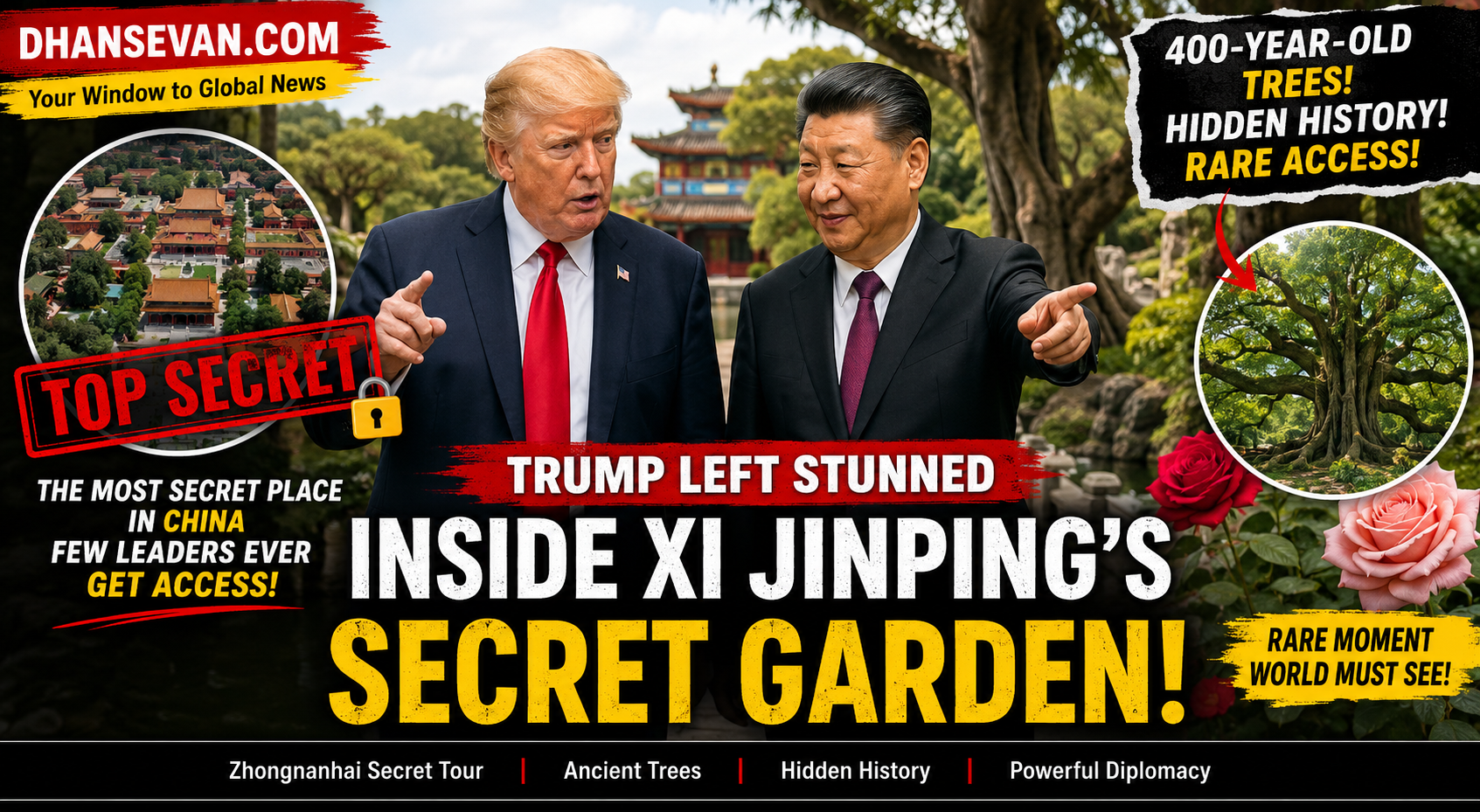
Observers also noted that Xi hosted Trump at Zhongnanhai — the Chinese leadership compound typically reserved for highly significant diplomatic engagements.
Many analysts viewed the move as a symbolic gesture aimed at signaling stable communication between the world’s two largest economies during a period of extreme geopolitical uncertainty.
Why The Entire World Is Watching Hormuz Closely
The Strait of Hormuz is no longer simply a regional issue involving Iran and Gulf nations.
It has become one of the most closely watched geopolitical flashpoints on the planet because disruptions there affect:
- Global energy security.
- Inflation worldwide.
- Trade stability.
- Financial markets.
- International shipping.
- Economic growth projections.
Every statement from major leaders regarding Hormuz now carries massive economic and diplomatic significance.
Trump’s revelation that Xi Jinping wants the strait reopened has therefore added another major dimension to the already explosive Iran crisis.
Fears Of A Bigger Global Crisis Continue To Grow
As the Iran conflict continues escalating, governments, businesses, investors, and energy markets remain deeply concerned about what could happen next.
Many experts warn that prolonged instability around the Strait of Hormuz could push the global economy into a dangerous period of inflation, supply shortages, and slowing growth.
That is why international attention is now focused heavily on diplomatic efforts involving the United States, China, Gulf nations, and Iran.
For now, Trump’s comments suggest that both Washington and Beijing understand the enormous risks posed by continued disruption around Hormuz.
But whether diplomacy can actually prevent a wider global economic shock remains one of the biggest unanswered questions facing the world today.
About the Author
Uday Jasani
The Dhansevan editorial team consists of passionate gamers and tech enthusiasts who test and review every game before publishing. Our writers bring first-hand gaming experience and follow strict editorial standards to ensure accurate, helpful content for our readers.
Disclaimer: This article is for informational purposes only. Game features, availability, and earning potential may vary. Always download games from official sources and read their terms of service. Dhansevan does not guarantee any specific results from using the apps mentioned above.